Rents Are Down 4% and Renters Still Can't Afford Housing
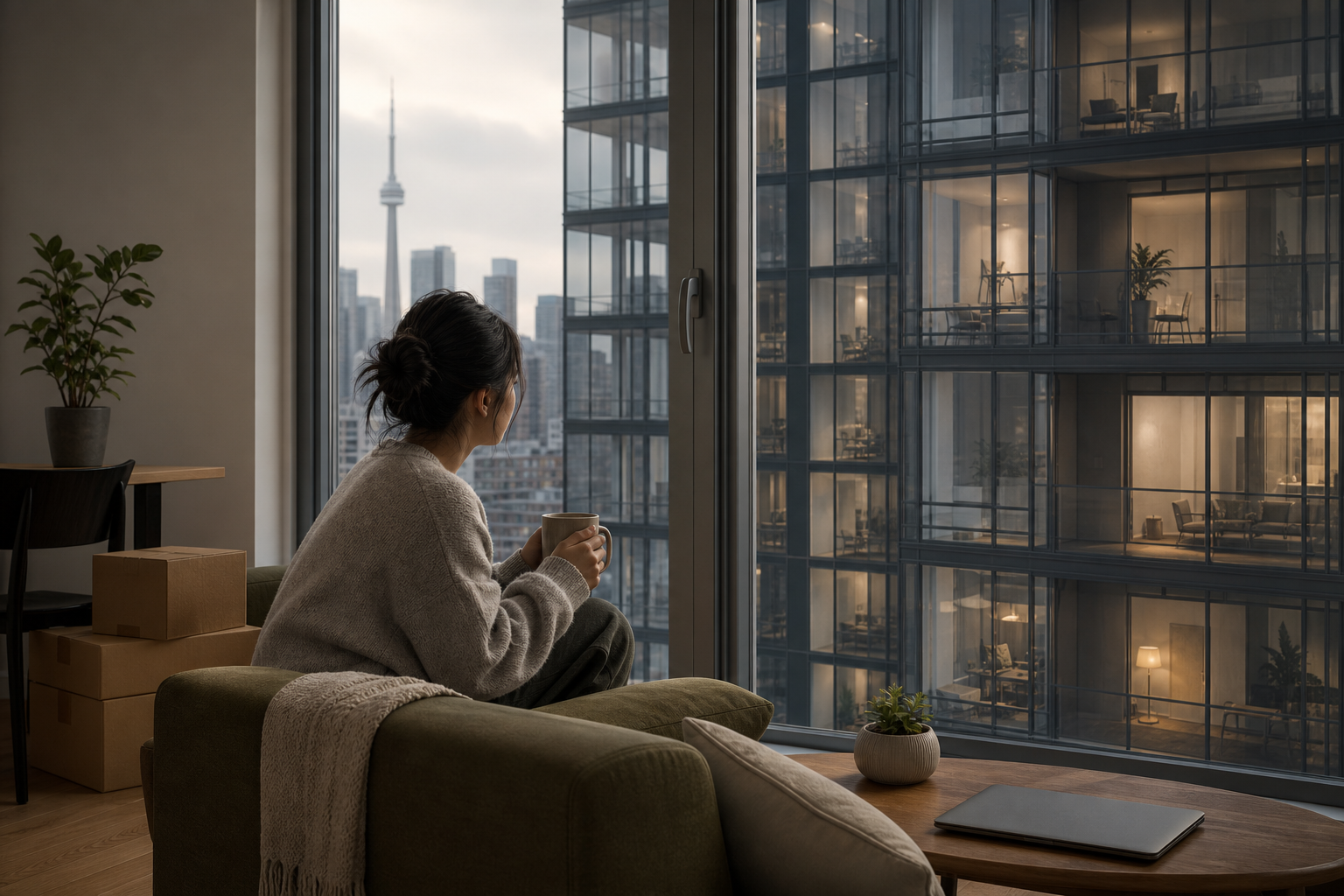
A purpose-built rental tower in Toronto's Annex just offered one month free on a $2,400 one-bedroom. Five years ago, that unit would have leased in 48 hours at asking. Today it sits empty while the landlord sweetens the deal with parking thrown in and waived application fees. The national average asking rent dropped to $2,037 in July, a 4% year-over-year decline that marks the first meaningful retreat after three years of relentless climbing. Market analysts are calling it "stabilizing." Renters looking at their paycheques are calling it irrelevant.
The 4% drop sounds like relief until you remember what it's being measured against. Between 2022 and 2025, rents in most Canadian cities rose 20% or more, burning through wage growth and forcing households into roommate arrangements, secondary suites, and the suburbs. A $2,120 average falling to $2,037 is not affordability returning. It's a market that overshot its ceiling and is now testing where the actual price floor lives. For a tenant earning $55,000 a year, both numbers are functionally the same: unaffordable without subsidy, sacrifice, or a second income in the household.
The luxury glut no one mentions
Most of the new supply hitting the rental market in 2026 is purpose-built rental from the construction surge of 2023 and 2024, when developers took advantage of federal GST rebates and low land costs. These aren't walk-up three-storeys. They're amenity-heavy towers with rooftop lounges, coworking spaces, and rents that assume the tenant works in tech or finance. The drop in average asking rent is partly these buildings offering concessions, one month free, discounted parking, waived pet fees, to fill units priced north of $2,600. The people who needed rent relief were never the target market for these buildings. The supply mismatch is structural, not cyclical.
Meanwhile, the sitting tenant in a rent-controlled unit built in 2018 is still paying $1,650 for the same one-bedroom. The gap between their locked-in rate and the $2,037 average is now wide enough that moving, even to a "cheaper" new listing, would cost them $400 a month. Turnover has dropped accordingly. The rental market is freezing in place, with tenants staying put to avoid the reset and landlords holding asking prices high because the only people moving are those with no choice or deep pockets.
The demand floor remains untouched
Canada's 2026 immigration levels are still substantial, and mortgage rates remain elevated enough to keep would-be buyers renting longer than planned. A 4% dip in asking rents during July, typically the peak moving month, signals softness, but it doesn't signal a trend reversal. Demand is structural. Supply growth would need to outpace population growth for multiple consecutive years to move the affordability needle, and even the current construction boom isn't on that trajectory. CMHC completions data shows multi-decade highs, but those highs are being absorbed immediately by a tenant pool that has nowhere else to go.
Small investors are starting to exit. The condo owner who bought in 2019 expecting $2,400 rent and reliable appreciation is now facing $2,100 offers, higher carrying costs, and a resale market that isn't moving. Some are offloading units back into ownership rather than waiting for rental yields to recover. That shift might ease rental supply pressure slightly, but it also removes units from the long-term rental stock entirely.
The 4% decline is real. The relief isn't. Rent dropped because the market ran out of tenants who could pay more, not because supply solved the problem. Stabilization just means the price stopped climbing. It doesn't mean anyone can suddenly afford it.



A purpose-built rental tower in Toronto's Annex just offered one month free on a $2,400 one-bedroom. Five years ago, that unit would have leased in 48 hours at asking. Today it sits empty while the landlord sweetens the deal with parking thrown in and waived application fees. The national average asking rent dropped to $2,037 in July, a 4% year-over-year decline that marks the first meaningful retreat after three years of relentless climbing. Market analysts are calling it "stabilizing." Renters looking at their paycheques are calling it irrelevant.
The 4% drop sounds like relief until you remember what it's being measured against. Between 2022 and 2025, rents in most Canadian cities rose 20% or more, burning through wage growth and forcing households into roommate arrangements, secondary suites, and the suburbs. A $2,120 average falling to $2,037 is not affordability returning. It's a market that overshot its ceiling and is now testing where the actual price floor lives. For a tenant earning $55,000 a year, both numbers are functionally the same: unaffordable without subsidy, sacrifice, or a second income in the household.
The luxury glut no one mentions
Most of the new supply hitting the rental market in 2026 is purpose-built rental from the construction surge of 2023 and 2024, when developers took advantage of federal GST rebates and low land costs. These aren't walk-up three-storeys. They're amenity-heavy towers with rooftop lounges, coworking spaces, and rents that assume the tenant works in tech or finance. The drop in average asking rent is partly these buildings offering concessions, one month free, discounted parking, waived pet fees, to fill units priced north of $2,600. The people who needed rent relief were never the target market for these buildings. The supply mismatch is structural, not cyclical.
Meanwhile, the sitting tenant in a rent-controlled unit built in 2018 is still paying $1,650 for the same one-bedroom. The gap between their locked-in rate and the $2,037 average is now wide enough that moving, even to a "cheaper" new listing, would cost them $400 a month. Turnover has dropped accordingly. The rental market is freezing in place, with tenants staying put to avoid the reset and landlords holding asking prices high because the only people moving are those with no choice or deep pockets.
The demand floor remains untouched
Canada's 2026 immigration levels are still substantial, and mortgage rates remain elevated enough to keep would-be buyers renting longer than planned. A 4% dip in asking rents during July, typically the peak moving month, signals softness, but it doesn't signal a trend reversal. Demand is structural. Supply growth would need to outpace population growth for multiple consecutive years to move the affordability needle, and even the current construction boom isn't on that trajectory. CMHC completions data shows multi-decade highs, but those highs are being absorbed immediately by a tenant pool that has nowhere else to go.
Small investors are starting to exit. The condo owner who bought in 2019 expecting $2,400 rent and reliable appreciation is now facing $2,100 offers, higher carrying costs, and a resale market that isn't moving. Some are offloading units back into ownership rather than waiting for rental yields to recover. That shift might ease rental supply pressure slightly, but it also removes units from the long-term rental stock entirely.
The 4% decline is real. The relief isn't. Rent dropped because the market ran out of tenants who could pay more, not because supply solved the problem. Stabilization just means the price stopped climbing. It doesn't mean anyone can suddenly afford it.
Read Next
How Dual Citizens Can Claim RESP Tax Benefits Without Form 3520 Reporting
Bond Markets Are Pricing In Recovery, Not the 1970s Replay Already Underway
Why Fortress Tells Private Credit Lenders to Stop Chasing AI Data Centre Deals
Canada's Tax Code Punishes Work and Rewards Wealth Hoarding: Four Reforms That Would Actually Fix It